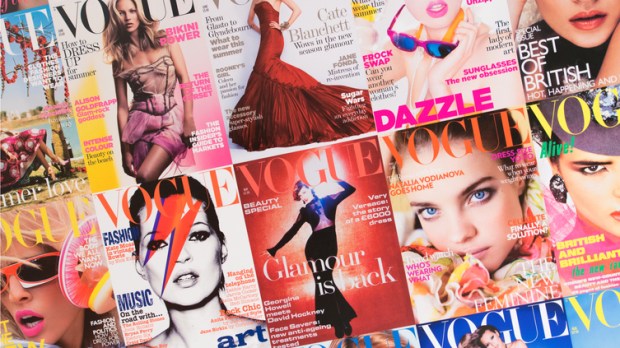
Articles keep using the word ‘sputtered’ when describing the magazine industry. Interesting. Admittedly, I had to google this word, with crossed fingers that it would be a word implying that it was improving, flourishing even.
Sputter- If an activity sputters, it is weak and varied, and does not make people feel confident about it.
Perhaps not. This may be the case in Western society at least, whereby the concept of fashion magazines is classic, not new. In China though, things are different. Vogue is only just about to enter Hong Kong’s market in early 2019, Elle only marking it’s 30th anniversary later this year (it was founded in 1945).
Hong Kong is set up to be a successful place for fashion magazines to thrive. When reading, it was described as a ‘sophisticated bilingual publishing environment’. Sounds promising!
There are some seeds of doubt. Conde Nast China has seen numerous changes in its senior roles, people coming and going in the big names of the magazine industry. CEO Su Mangwas resigned from Trends Media Group- publishing Cosmopolitan and Esquire, to name a couple. This came after 20 years spent with the company, and the reason is listed as ‘personal reasons’. I don’t like to be cynical and assume the worst, of course, I don’t know all of the individual reasons for people leaving their jobs, but I can’t help but wonder whether these people have lost their faith in magazines and are fleeing from them before they vanish completely.
Jerri Ng claimed ‘Print media is less and less relevant to the Chinese market’ but I’m not entirely sure this has to be the truth. It doesn’t take a genius to know that digital has overtaken massively- in all aspects of our life. But in a time where it’s the norm to be glued to our phones, if not our tablet, laptop, whatever it may be- and rely on these tools so heavily- I can’t help but wonder whether people may find an element of novelty in picking up something printed. There was a point where advancing technology was revolutionary but this isn’t the case anymore- it feels like seeing someone with a book would surprise us more than someone having a robot for a PA.
Statistically, fashion magazines aren’t doing too badly in China. Total magazine revenue is expected to reach 6.13 billion by 2020 and current numbers are looking to be positive. But this doesn’t align with consumer behaviour- during research it was found that not one person amongst those asked had purchased a physical magazine in the past 12 months.
This leads me to think that something needs to happen to save print. To make people excited about published magazines and for them to be as prominent as they once were. I think young people will be willing to invest in independent print if the content is exciting, high quality and unique. I know from personal experience, I am completely put off reading Vogue because it’s drowning in advertisements- which I come across enough in my daily life, meaning there’s no need to purchase a print full of them.
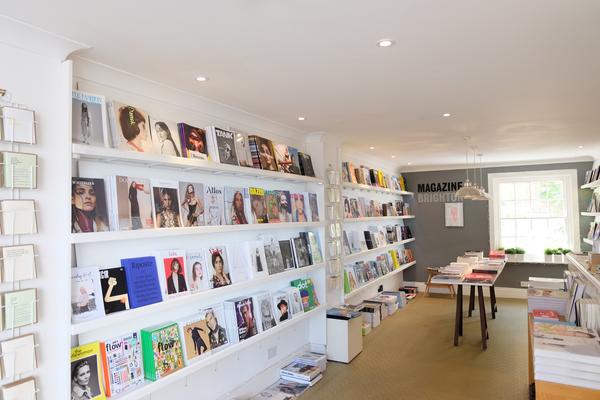
I’ve come to the conclusion that on a personal level, I am praying for magazines to survive because I’m traditional, old-fashioned even. I am one of those people who sees no appeal in a Kindle and gets a tad sentimental when long-serving things begin to die out. I have always read magazines, from ones to offering free toys, then one direction posters, then cheap make-up. A few years back, I visited an independent magazine shop for the first time in Brighton and completed melted. Thankfully, the kind man owning the shop didn’t mind me picking up almost everything in the shop, I think my enthusiasm was nice to see. I did make some purchases too.
It’s also sad because I’ve seen myself working in the magazine industry for a long time- and don’t want this to be a risky option. My love for fashion, I believe really stemmed from magazines, to begin with, and I doubt I’m the only person this applies to.
Can China save print? I don’t know. Can print be saved? Who can be certain? I can only hope that own and keep value and the tactility fashion magazines offer alongside editorial that is modern and exciting will be enough to let it compete with the digital world of fashion.
 myownmuse